


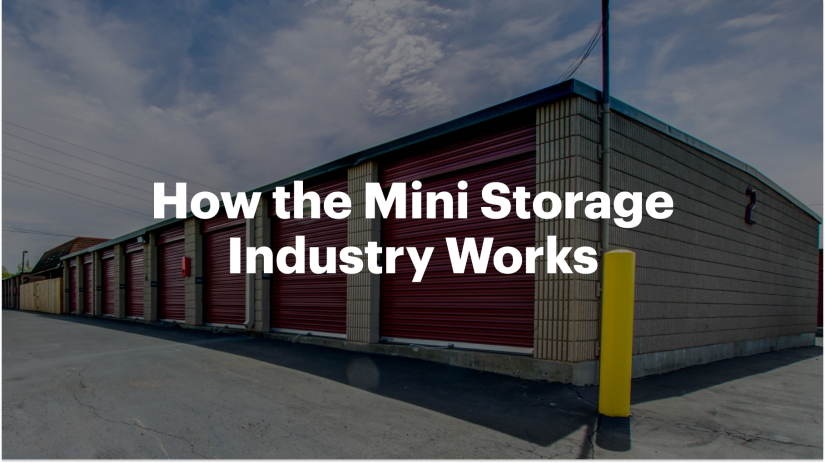


How the Mini Storage Industry Works
Nashville isn't slowing down. Between remote workers relocating, families outgrowing their homes, and real estate prices climbing year after year, more people are looking for temporary breathing room. Mini storage Nashville facilities have become part of the city's infrastructure, not by accident, but because of fundamental shifts in how people live and work. Understanding how the self-storage industry works helps you make smarter decisions when you need space.
How Nashville Grew Into Its Storage Needs
The past ten years have transformed Nashville. Corporate relocations arrived. Young professionals come in. Entrepreneurs have companies. Real estate prices climbed. Rental competition intensified. At the same time, more people worked remotely, lived in smaller apartments, and moved more frequently than previous generations did.
This created a straightforward problem. People needed space, but they couldn't afford larger homes or weren't staying long enough to justify one. A college student from out of state studies at a Nashville university but goes home for the summer. A remote worker relocates here but doesn't want to commit to buying immediately. A couple renovates their house, but needs somewhere to store bedroom furniture while the master suite is rebuilt. A contractor accumulates tools and equipment faster than a truck bed can hold. Self-storage filled each of these gaps.
It wasn't invented in Nashville, but the timing of its growth here reflects the city's trajectory.
The Economics Behind the Boom
The self-storage industry operates on a simple principle. Real estate that's expensive for living is cheaper when stacked vertically. A facility owner buys or leases land, builds climate-controlled structures, divides them into units, and rents them month-to-month to people with temporary overflow needs.
That flexibility is why mini storage works in Nashville. The model thrives because it's low-friction. No long-term commitment. No excessive paperwork. No emotional decision-making about whether you're "really" ready to rent. You rent when you need space and leave when you don't.
The industry's growth tracks directly with housing costs. In cities where rent consumes 35 percent of household income, self-storage becomes an affordable overflow. In cities where real estate appreciation outpaces wage growth, storage becomes a temporary bridge. Nashville fits both patterns.
What Happens Behind the Scenes at a Storage Facility
Storage facilities aren't just warehouses. They're logistical operations with real infrastructure costs. Climate control systems protect belongings from humidity and temperature swings that can damage electronics, warp wood furniture, and fade photos. Security cameras and gated access reduce theft and liability. Online payment systems and contactless rentals modernized an industry that once required in-person visits and checks. Professional staff manage move-ins, maintenance, and tenant issues.
That infrastructure costs money, and facilities invest in it because renters have learned to expect it. A decade ago, self-storage meant an unheated metal box in a field. Now it means protection, convenience, and peace of mind. The industry evolved because customer expectations changed, and smart facility operators adapted.
Why the Industry Matters to Nashville Specifically
Nashville's growth outpaced its housing supply significantly. That's common in booming cities, but it creates urgent, unmet storage needs. College students and faculty at Nashville's universities store belongings during summer breaks or between semesters. Young families wait in too-small apartments while saving for down payments on homes. Small business owners need overflow space for inventory or returns. Contractors store tools and equipment between job sites. Families between moves need a buffer when closing and moving-in dates don't align. Artists and musicians in Nashville's creative scene store instruments and equipment.
Each group relies on self-storage for different reasons, but they all depend on the same essential infrastructure. Self-storage became as important to Nashville's functioning as parking lots, serving a transitional need without requiring permanent real estate solutions.
How to Know if You're Ready for Storage
Storage works for defined situations. You're moving and need a buffer between old and new places. You're renovating and need to clear rooms. You're managing a life transition like divorce, downsizing, or inheritance. You've inherited items you're not ready to part with. Your family outgrew your garage. You're between jobs and need flexibility. You started a small business and need inventory space.
Storage doesn't make sense if you're trying to avoid making decisions about belongings. Renting space to delay organizing is expensive procrastination. It works best when you have a clear end date or goal in mind, and you're willing to revisit your storage need on a timeline.
Getting Started with Mini Storage Nashville
The easiest way to begin is to reach out to a facility directly. Many now offer online booking and contactless rentals, so you can secure a unit without stepping inside if you prefer. Ask about current move-in specials and month-to-month terms. Ask what's included with your rental.
For Nashville residents, having your storage near your home or workplace matters more than you'd think, since you'll occasionally need to grab items or add boxes. Visit StorPlace Self Storage on 14985 Old Hickory Blvd to learn about available unit sizes and features like security cameras, gated access, and online bill pay. You can also call (615) 369-2266 to discuss your needs.
The storage industry in Nashville reflects the city's growth. It's not glamorous, but it's practical. Understanding how it works helps you use it wisely, and choosing the right facility makes the whole process stress-free.


